
7 warning signs families in Atwater & Merced County shouldn’t ignore
For most adult children, the question doesn’t arrive all at once. It builds slowly — a missed phone call here, an unexplained bruise there — until one day you find yourself wondering: is Mom or Dad really still okay living on their own?
If you’ve been asking yourself that question lately, you’re not alone, and you’re not overreacting. Recognizing the signs early is one of the most protective things you can do for an aging parent.
Below are seven of the most common signs that it may be time to consider additional support, whether that means in-home help, respite care, or a move to a residential care setting.
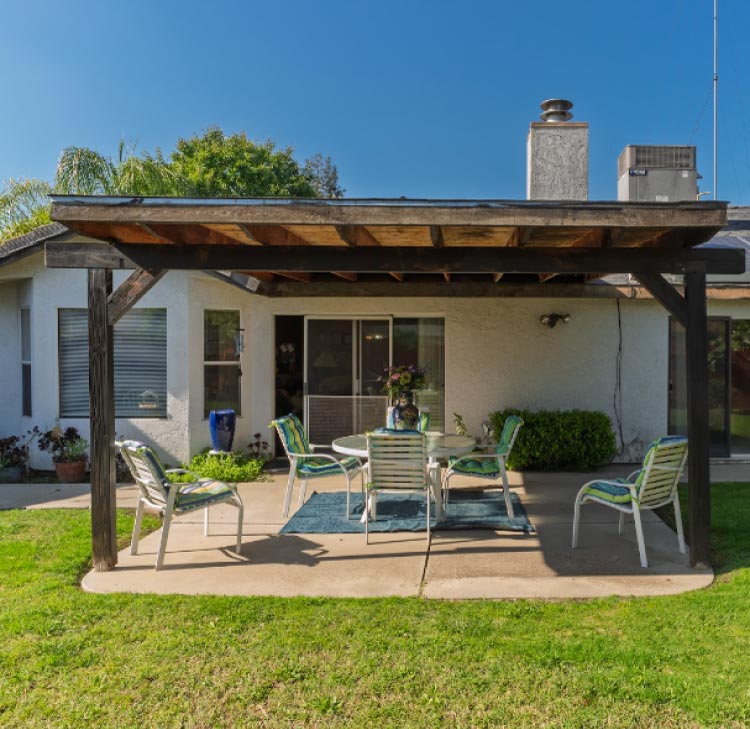
1. Unexplained Weight Loss or Skipped Meals
Take a look in the fridge and pantry next time you visit. Expired food, empty shelves, or the same frozen dinner eaten every night can point to trouble planning, shopping for, or preparing meals. Weight loss is one of the clearest physical signs that daily nutrition has slipped.

2. A Noticeably Messier or Neglected Home
A parent who was once tidy but now has piles of unopened mail, dishes left for days, or laundry that isn’t getting done may be struggling with tasks that used to be second nature. This is often one of the earliest signs families notice, and one of the easiest to dismiss as “just being tired.”
3. Missed Medications or Medical Appointments
Forgetting a dose here and there happens to everyone. But a medicine cabinet full of unfilled prescriptions, or a pattern of missed doctor’s appointments, is a safety issue — especially for parents managing chronic conditions like diabetes or heart disease.
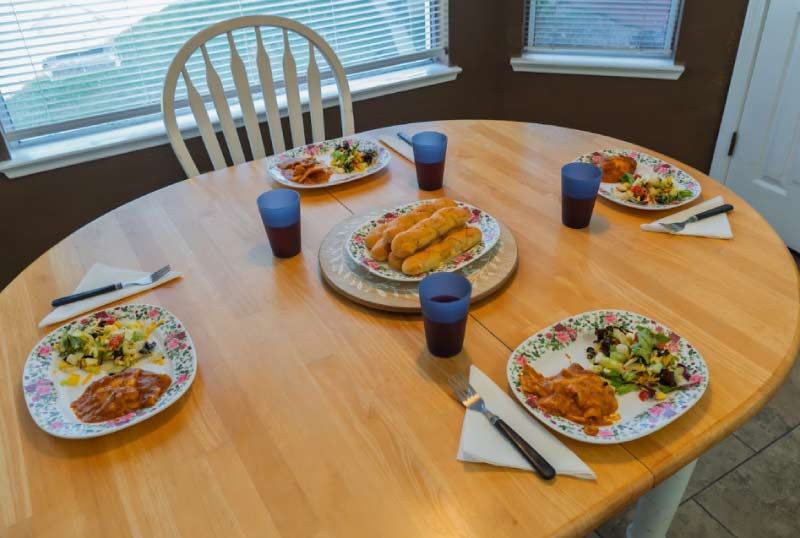
4. New Bruises, Falls, or a Fear of Falling
Unexplained bruises, a fall your parent tries to downplay, or a growing hesitation to walk without holding onto furniture are all worth taking seriously. Falls are one of the leading causes of injury among older adults, and a single bad fall can change everything.
According to the National Council on Aging, falls are the leading cause of fatal and non-fatal injuries for people ages 65 and older in the U.S. — and most falls happen at home.

5. Memory Lapses That Go Beyond Normal Aging
Misplacing keys is normal. Forgetting to turn off the stove, getting lost on a familiar drive, or repeating the same story within minutes is not. These can be early signs of cognitive decline that deserve a conversation with a doctor — and potentially a look at specialized memory care options.
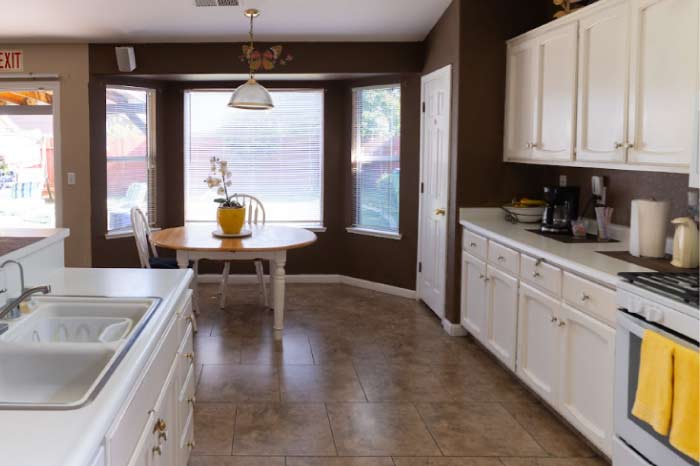
6. Social Withdrawal or Signs of Isolation
Has your parent stopped going to church, skipped their weekly card game, or quit answering calls from friends? Isolation is more than a quality-of-life issue — research consistently links social isolation in older adults to higher risks of depression, cognitive decline, and even early mortality.
- Fewer visits from friends or neighbors
- No longer participating in hobbies they used to enjoy
- Spending most of the day alone in one room
- Expressing feelings of loneliness or boredom
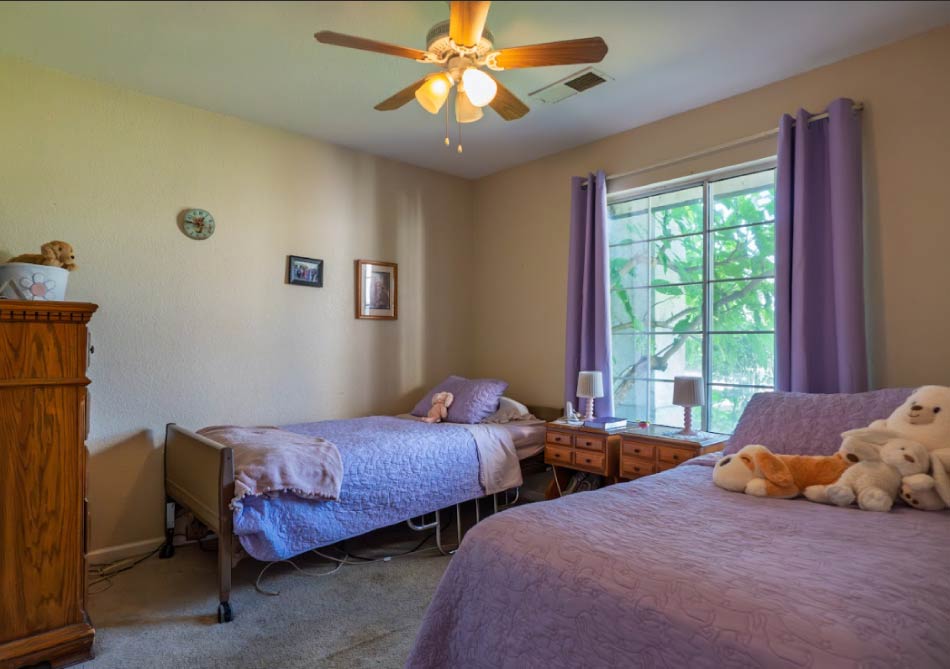
7. Unpaid Bills, Financial Confusion, or Missed Payments
Late notices piling up, forgotten payments, or unusual purchases can signal that managing finances has become overwhelming — or, in some cases, that your parent may be vulnerable to scams targeting seniors. This is often one of the harder signs to spot from a distance, so it’s worth checking in directly.
What to Do If You Recognize These Signs
Noticing one or two of these signs doesn’t necessarily mean your parent needs to move out immediately — but it does mean it’s time for an honest conversation, and possibly a visit to their doctor.
If several signs are present, or safety is an immediate concern, it may be time to explore assisted living options that can provide the daily support your parent needs while preserving as much independence and dignity as possible.
For general guidance on evaluating an older adult’s ability to live independently, the National Institute on Aging offers helpful, research-based resources for families going through this exact decision.
Frequently Asked Questions (FAQs)
How do I know if my elderly parent is no longer safe living alone?
Look for a pattern rather than a single incident — unexplained weight loss, missed medications, a messier home than usual, new bruises or falls, memory lapses, social withdrawal, or unpaid bills are the clearest warning signs. One isolated sign may not mean much, but two or more happening together usually means it’s time for a closer look.
What should I do first if I notice these signs in my parent?
Start with an honest, caring conversation, and schedule a checkup with their doctor to rule out treatable causes like a medication issue or infection. From there, you can explore options ranging from in-home help to a full assisted living arrangement, depending on how much support they actually need.
Is it normal for elderly parents to resist help or deny they need it?
Yes, this is extremely common. Most seniors fear losing their independence more than almost anything else, so pushback is often about that fear, not a refusal to acknowledge reality. Framing the conversation around safety and quality of life — rather than “you can’t manage anymore” — tends to go over much better.
What's the difference between hiring in-home care and moving to assisted living?
In-home care brings support into the parent’s existing house for set hours a day, while assisted living moves them into a staffed residential setting with 24/7 supervision, meals, and social activities included. Families often choose in-home care first and transition to assisted living if needs continue to increase.
How much does assisted living cost in California?
Costs vary based on the level of care needed, room type, and location, so it’s best to request a personalized quote. Most families pay through a mix of private funds, long-term care insurance, and, in some cases, veterans’ benefits.
If you’re weighing this decision for a loved one in Atwater, Merced, or the surrounding Central Valley, we’re here to talk it through with you — no pressure, just guidance from a family who’s been in your shoes. Schedule a tour or call us at (209) 357-0512.